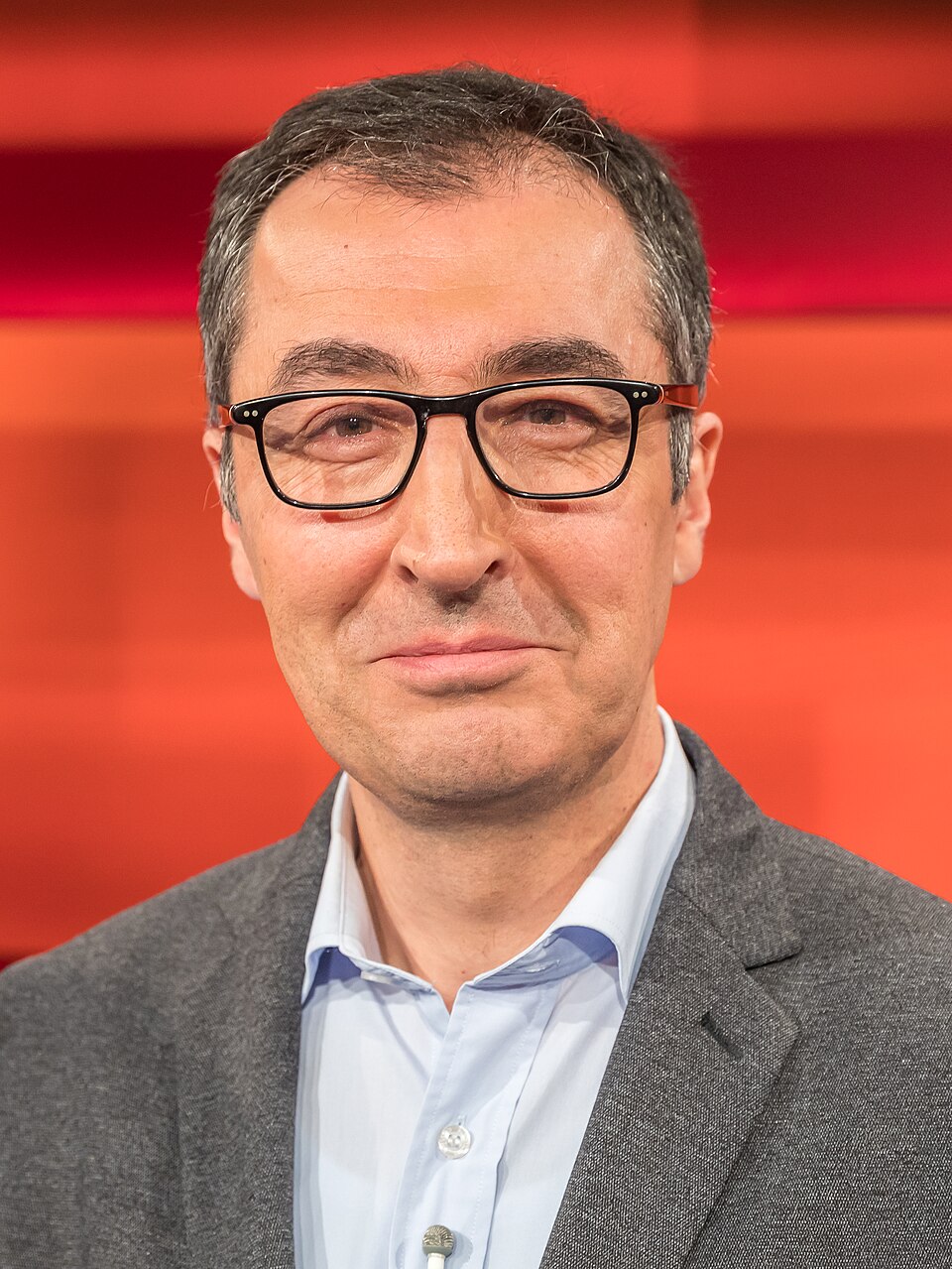
Cem Özdemir's Green Victory: A New Era for Baden-Württemberg
The political landscape of Germany has witnessed a transformative moment with Cem Özdemir’s triumph in the Baden-Württemberg state election. Poised to become Germany's first state premier of Turkish heritage, Özdemir has not only secured a significant victory for the Green Party but has also ushered in a new era of leadership that reflects the country's evolving identity. His win, achieved after a closely contested battle against Chancellor Friedrich Merz's conservative Christian Democrats (CDU), signifies a profound shift in one of Germany's most economically powerful and traditionally conservative regions. This article delves into the nuances of this historic win, exploring Özdemir's unique political profile, his resilient career journey, and the implications for Baden-Württemberg and wider German politics.
A Historic Win and a New Political Landscape in Baden-Württemberg
Cem Özdemir’s leadership of the Green Party to a narrow victory on Sunday, March 8, 2026, marks a watershed moment in German politics. The 60-year-old politician engineered a remarkable late comeback, overturning initial projections to defeat the CDU in a state that has historically been a conservative stronghold. This outcome is particularly noteworthy given Baden-Württemberg’s status as an economic powerhouse, home to global automotive giants like Mercedes-Benz and Porsche. The Greens’ success here, building on the legacy of the outgoing Premier Winfried Kretschmann, signals a growing acceptance of green politics even in industrial heartlands.
The campaign strategy was heavily concentrated on Özdemir's personal brand and pragmatic appeal. Campaign posters often featured him prominently, sometimes even without the party’s name, aiming to connect directly with voters who recognized him as a familiar and sensible figure. This approach underscored a belief that Özdemir’s moderate stance and relatable personal story transcended traditional party lines, appealing to a broad spectrum of the electorate in a region known for its industriousness and desire for stability. The impending coalition with the CDU, mirroring the previous administration, suggests a continuity in governance but under a new, historically significant leadership. This transition positions
Cem Özdemir: Germany's First Premier of Turkish Heritage, a milestone for diversity in German leadership.
The "Anatolian Swabian" Phenomenon: Cem Özdemir's Unique Appeal
To truly understand the depth of Cem Özdemir’s appeal and the significance of his victory, one must look at the man behind the mandate. A quick search for "Cem Özdemir Wiki" reveals a rich tapestry of experiences that have shaped his distinctive political persona. Born in Bad Urach to Turkish immigrant parents, Özdemir proudly identifies as an "Anatolian Swabian" – a label that perfectly encapsulates his dual heritage and bridge-building approach. This identity resonated deeply in a country grappling with questions of integration, identity, and multiculturalism.
Özdemir belongs to the Green Party's more moderate "realist" wing, a position that often sees him taking stances more conservative than parts of his national leadership. For instance, his nuanced views on migration and the phase-out of combustion-engine cars demonstrate a pragmatic understanding of economic realities and social complexities. In a state like Baden-Württemberg, where the automotive industry is a cornerstone of the economy, such a balanced perspective is crucial. It allowed him to appeal not just to traditional Green voters but also to centrist and even some conservative voters who might otherwise have been wary of the party’s more radical environmental or social policies. His ability to connect with working-class voters, by highlighting his own humble beginnings and emphasizing that his career was "not handed to him," forged a powerful bond of trust and authenticity.
Navigating Success and Setbacks: A Career Defined by Resilience
Cem Özdemir's political journey is a testament to resilience and unwavering commitment, providing valuable insights into his character and leadership style. His early life story is one of determination: initially struggling at school, he overcame academic hurdles with the help of neighbors and friends, eventually earning a university entrance qualification to study social pedagogy. This personal narrative of overcoming adversity has been a cornerstone of his public persona, highlighting his relatability and down-to-earth nature.
His career in politics began with joining the Greens in 1981, a bold move for someone of his background at the time. By 1994, he made history by becoming the first member of the German parliament (Bundestag) with Turkish roots. However, his journey was not without its challenges. He faced a significant setback following revelations regarding the private use of airline bonus miles from official travel and the acceptance of a private loan from a public relations consultant. This led to his temporary resignation from the Bundestag. Instead of ending his career, this period marked a time of reflection and renewal, including a stint in the United States. He returned to politics, first via the European Parliament, and then again to the Bundestag, demonstrating his deep commitment to public service.
From 2008 to 2018, Özdemir served as co-leader of the Greens, guiding the party through a decade of growth and increased visibility. His tenure solidified his reputation as a pragmatic and effective leader. In 2021, he joined Chancellor Olaf Scholz's Cabinet as Agriculture Minister, later also taking on responsibility for education – roles that further broadened his experience and public profile. His ascent underscores a career defined by perseverance, learning from past mistakes, and consistently returning to serve. For a comprehensive look at his trajectory, explore
From Migrant Roots to Power: The Rise of Cem Özdemir.
Baden-Württemberg's Green Future: Economic Powerhouse Meets Environmental Vision
Cem Özdemir’s victory in Baden-Württemberg holds profound implications for the state’s future. As one of Germany’s wealthiest and most industrialized regions, Baden-Württemberg faces the dual challenge of maintaining its economic competitiveness while transitioning towards a more sustainable and climate-friendly future. Özdemir's moderate "realist" wing approach within the Green Party suggests a balanced path forward.
Under his leadership, and likely in another coalition with the CDU, Stuttgart can anticipate policies that aim to integrate environmental protection with economic prosperity. This could mean increased investment in green technologies, support for the automotive industry's transition to electric vehicles, and initiatives to boost renewable energy, all while ensuring job security and regional economic strength. Özdemir’s experience as Agriculture Minister also positions him well to address rural issues, sustainable farming practices, and food security – key areas for any state premier. His vision for Baden-Württemberg is one where economic dynamism and ecological responsibility are not mutually exclusive but rather interconnected drivers of progress. This pragmatic approach is crucial for navigating the complex interests of a state reliant on industries that are undergoing massive transformations. The success of this model could serve as a blueprint for other industrial regions in Germany and beyond, demonstrating how to reconcile economic imperatives with ambitious environmental goals.
Conclusion: A New Chapter for Germany's Political Tapestry
Cem Özdemir's victory in Baden-Württemberg is more than just a local election win; it is a powerful symbol of change and evolving identity within Germany. His ascension to the state's highest office as the first premier of Turkish heritage marks a significant step forward for diversity and representation in German politics. His unique blend of "Anatolian Swabian" identity, pragmatic Green politics, and a resilient personal journey resonated deeply with voters looking for stable yet forward-looking leadership. As Baden-Württemberg embarks on this new chapter under Özdemir, the eyes of the nation will be watching how this economic powerhouse navigates the challenges of the 21st century, balancing industrial strength with environmental responsibility, and fostering a society that embraces its diverse heritage. His success will undoubtedly inspire a new generation of politicians and continue to reshape Germany’s political tapestry for years to come.